Source Dental Powder for Orthodontics, Nutrition, and Oral Care
Find 30 verified dental powder products for orthodontic materials, nutritional supplements, and oral care applications. Compare specifications including purity, certifications, and packaging options to identify suitable suppliers for your business needs; compare the available evidence and request quotations based on your requirements.
Key considerations
Products List


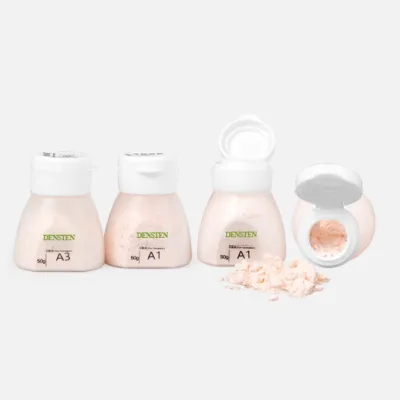


$3050.00 - $4300.00
Moq: 5


Comprehensive Sourcing Guide
Dental Powder Sourcing Guide
Procurement professionals must first distinguish between the diverse forms of dental powder available, as the market offers distinct products ranging from calcium phosphate for nutritional supplements to specialized ceramic powders for orthodontic and restorative applications. The observed listings indicate a split between bulk chemical ingredients and finished dental materials, requiring buyers to clearly define whether they need raw materials for manufacturing or specific clinical-grade products for direct patient use.
Buyers should verify the intended application department, such as the Oral Rehabilitation Department or Orthodontic Department, to ensure the selected powder aligns with clinical requirements. The data shows specific models like UL-AR431 and E50012, alongside generic descriptions of dental porcelain and liquid self-curing agents, necessitating a precise match between the product type and the specific dental procedure being performed.
Product Scope and Observed Listing Signals
The current market signals reveal a wide price spectrum, with observed listings ranging from $0.75 to $4,300, reflecting the difference between bulk raw materials and specialized, high-purity dental equipment or finished kits. This variance suggests that buyers must carefully evaluate the unit of measure and the complexity of the product, as a simple powder in a 25kg bag differs significantly in value and handling requirements from a complete dental lab kit or a specialized liquid system.
Minimum order quantities also vary drastically, with observed ranges from 1 unit up to 1,500 units, indicating flexibility for small clinics alongside bulk purchasing options for large manufacturers. The packaging formats, including 25kg kraft paper bags, 50kg barrels, and specific carton cases, further dictate logistics planning, as the physical form of the product directly impacts storage needs and shipping costs for the procurement team.
Technical Specifications to Verify
Technical verification begins with confirming the physical appearance and chemical composition, as products are listed as white monoclinic crystalline powders or general ceramic powders with purity levels ranging from 97% to 99%. Buyers must ensure the assay standards meet the specific clinical needs, noting that some products specify an assay greater than 97% while others require a standard of at least 98.5%, which can significantly impact the performance of the final dental restoration or appliance.
It is critical to validate the specific product model and curing mechanism, as the listings include self-curing liquid systems and various dental porcelain powders with distinct color codes from 0# to 4#. The physical specifications, such as the 500ml weight for certain items or the specific carton dimensions of 3631.515cm, must be cross-referenced with the laboratory's equipment capacity to ensure compatibility during the model-making or casting mold processes.
Compliance and Safety Documentation
Compliance verification requires checking for multiple certification types, as the observed data lists ISO, CIQ, and CE certifications across different product entries. Buyers should not assume a single product holds all certifications but must request specific documentation for each batch to confirm that the material meets the necessary safety and quality standards for medical and dental applications in their target market.
Safety documentation must also address the environmental and usage profiles, noting that some products are marked as environmentally friendly while others are designated for single-use applications. The presence of weak fragrance odors and specific color options like white, red, yellow, blue, and green requires careful review to ensure the materials do not introduce unwanted chemical interactions or aesthetic inconsistencies in the final dental product.
Cost Drivers and Commercial Terms
Cost drivers in this sector are heavily influenced by the purity level, the specific application industry such as mouthwash, toothpaste, or personal care, and the complexity of the manufacturing process involved in creating high-strength ceramic powders. Buyers should anticipate that higher purity grades, such as those exceeding 98.5%, and specialized models like UL-AR431 will command a premium price compared to standard bulk calcium phosphate or generic dental materials.
Commercial terms must account for the observed delivery time of 30 days and the varying minimum order quantities that can range from a single unit to 1,500 units. Procurement strategies should factor in the packaging requirements, such as 200kg barrels or 25kg bags, as these affect the total landed cost, and buyers should negotiate based on the specific shelf life of two years to ensure inventory turnover aligns with product stability.
Supplier Qualification and Quality Control
Supplier qualification should focus on verifying the place of origin, with observed listings pointing to Lianyungang and Zhejiang, China, as key manufacturing hubs for these dental materials. Buyers must confirm that the supplier has the capacity to maintain consistent quality for products like dental porcelain powder and orthodontic materials, ensuring that the high-strength features and specific color codes remain consistent across different production batches.
Quality control protocols must include a review of the product's nature, whether it is a shared instrument equipment or a disposable item, and the specific usage times allowed. The supplier should provide evidence of their ability to customize products, as customization is listed as available, and must demonstrate adherence to the stated standards, such as Type 3 or Type 4 classifications, to guarantee the reliability of the dental mold or casting mold applications.
Long-Term Procurement Checks
Long-term procurement success depends on establishing a reliable supply chain for products with a two-year shelf life, ensuring that inventory management strategies prevent degradation of the dental powder before use. Buyers should implement a rotation system that prioritizes older stock and verifies the integrity of the packaging, such as the PE liner in kraft paper bags, to maintain the purity and physical properties of the material over time.
Continuous monitoring of the supplier's ability to meet the 30-day delivery time and maintain the observed MOQ flexibility is essential for operational stability. Procurement teams should regularly audit the supplier's certification status and product specifications to ensure they continue to meet the evolving standards of the oral care and pharmaceutical industries, preventing disruptions in the supply of critical dental health materials.
FAQs
What types of dental powder are available?
Available options include Calcium Phosphate and Dental Health Materials. Calcium Phosphate appears as a white monoclinic crystalline powder, while other materials are categorized as ceramic powder. These distinct types serve different applications, ranging from friction agents to nutritional supplements, ensuring suitability for various clinical and laboratory requirements.
What certifications do dental powder products hold?
Products typically hold ISO, CIQ, and CE certifications. These credentials verify compliance with international quality and safety standards. Buyers can select materials based on specific certification needs, ensuring that the dental powder meets regulatory requirements for oral rehabilitation, orthodontic use, and general dental health applications in global markets.
What is the shelf life of dental powder?
The standard shelf life is two years. This duration ensures material stability and efficacy before use. Buyers should store the powder in its original packaging, such as kraft paper bags with PE liners or barrels, to maintain purity. Proper storage conditions are essential to preserve the specified assay levels and physical properties.
Can dental powder be customized for specific needs?
Yes, customization is available for many dental powder products. Buyers can request specific models, such as UL-AR431 or E50012, and select from various colors like white, red, yellow, blue, and green. This flexibility allows for tailored solutions in denture labs, orthodontic departments, and other specialized dental applications.
What are the packaging options for dental powder?
Packaging varies by product type and quantity. Options include 25 kg kraft paper bags with PE liners, 50 kg or 200 kg barrels, and carton cases. Specific carton dimensions, such as 36x31.5x15 cm, are used for certain models. These secure packaging methods protect the powder from contamination and ensure safe transportation.
What is the typical lead time for delivery?
The typical delivery time is 30 days. This lead time applies to standard orders and allows for production and quality assurance processes. Buyers should plan their procurement schedules accordingly, considering that lead times may vary based on order volume, customization requirements, and specific supplier capabilities in regions like Lianyungang or Zhejiang.